

Public education in the spotlight as Tiffany, Crowley vie to lead state


On Nov. 3, Wisconsin taxpayers will be asked to approve 79 school district referendums, most of which cover basic operating expenses. The remainder are capital referendums requesting funds for facility needs.
Adding the referendums from the spring election brings the statewide total to 154 this year. Approximately two-thirds of Wisconsin’s 421 school districts have gone to referendum within the past three years to ask voters for additional funding.
School districts in the Fox Cities area that are placing referendum questions on the November ballot include Brillion, Green Bay, Little Chute, Seymour, and West De Pere.
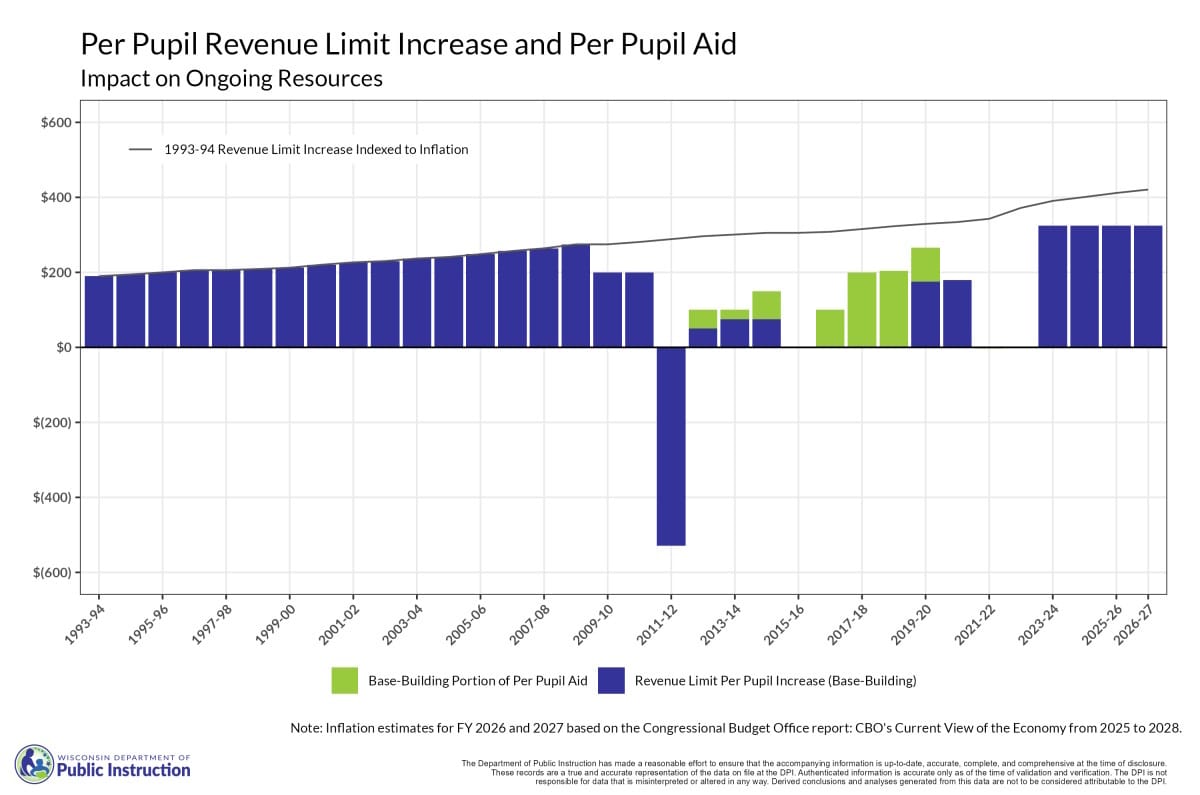
Schools are funded by two sources: state funding and property taxes. Because state funding has not kept pace with inflation for the past 16 years, districts have had to make difficult decisions, including cutting staff, eliminating programs, increasing class sizes, deferring maintenance, and even closing schools. Despite most districts taking all those steps, referendums remain necessary to cover shortfalls. When referendums fail, more severe cuts often follow.
Had funding kept pace with inflation, schools would be receiving about $3,600 more per student today, according to the Legislative Fiscal Bureau.
'Won't defund schools ...,' Crowley says
As with nearly all the other pressing issues in the Governor’s race, this one will offer voters a distinct choice between Democrat David Crowley, a candidate who thinks public education must be better funded and is willing to use some of the state’s surplus to do so, and Republican Tom Tiffany, who opposes broad-based funding increases, supports school choice and believes the surplus should be used for tax cuts instead.
In addition to advocating for a significant increase in state funding for public schools, Crowley wants to push for a 90% reimbursement rate for special education. Currently, public schools receive around 35 cents for every dollar they spend. He aims to implement universal early childhood education. He stresses the need for strict accountability and transparency standards for all schools, including private voucher schools.
Although Tiffany opposes greater state financial support for public schools, he, like Crowley, wants higher special education reimbursement rates. He supports a merit-based pay structure for teachers, and strongly advocates for universal school choice, allowing public money to fund private schools.
Crowley proposes using some of the state’s $3 billion surplus to address what he thinks are long-neglected needs. That includes education.
“I will consider the long-term investments we can make and work with the legislature to bring costs down for all Wisconsinites,” he said recently. “What I won’t do is defund our schools, our healthcare system or the basic services working families rely on like Congressman Tom Tiffany has done his entire political career.”
Tiffany remains adamant that the surplus be returned to taxpayers.
“Ever since I’ve been in the Legislature, I’ve divided spending into wants and needs, and you make sure that you spend money on the needs first,” he said. “And then when you run out, just like a family, then you stop spending.”
Lawsuit will determine if state is upholding obligation
School districts, education associations and concerned community members insist the state is not upholding its responsibilities to public education. Represented by Law Forward, they filed a lawsuit earlier this year against the Wisconsin State Assembly, Wisconsin State Senate, and members of the Joint Committee on Finance. The lawsuit maintains the Legislature is failing to fulfill its constitutional obligation to adequately fund Wisconsin public schools. The Eau Claire County Circuit Court is hearing the case.
The case remains focused on the key question: Is Wisconsin funding our public schools enough to provide students with a sound, basic education and prepare them for the future?


