

Despite end to Knowles-Nelson, legislators hope that next session deal can be struck
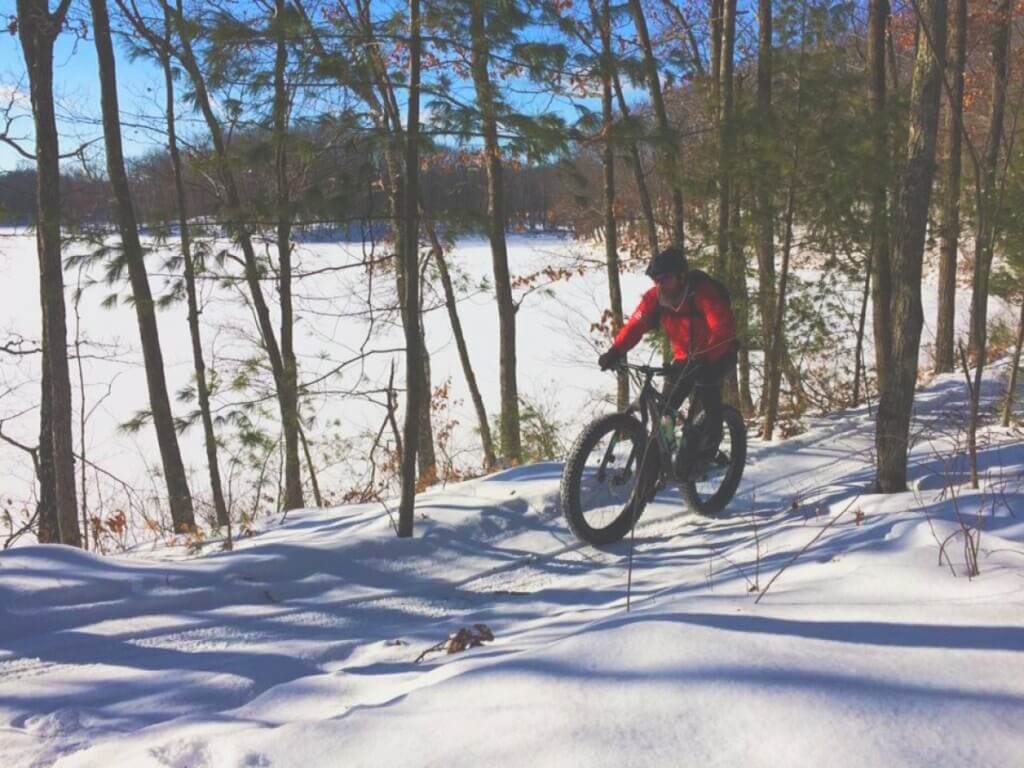
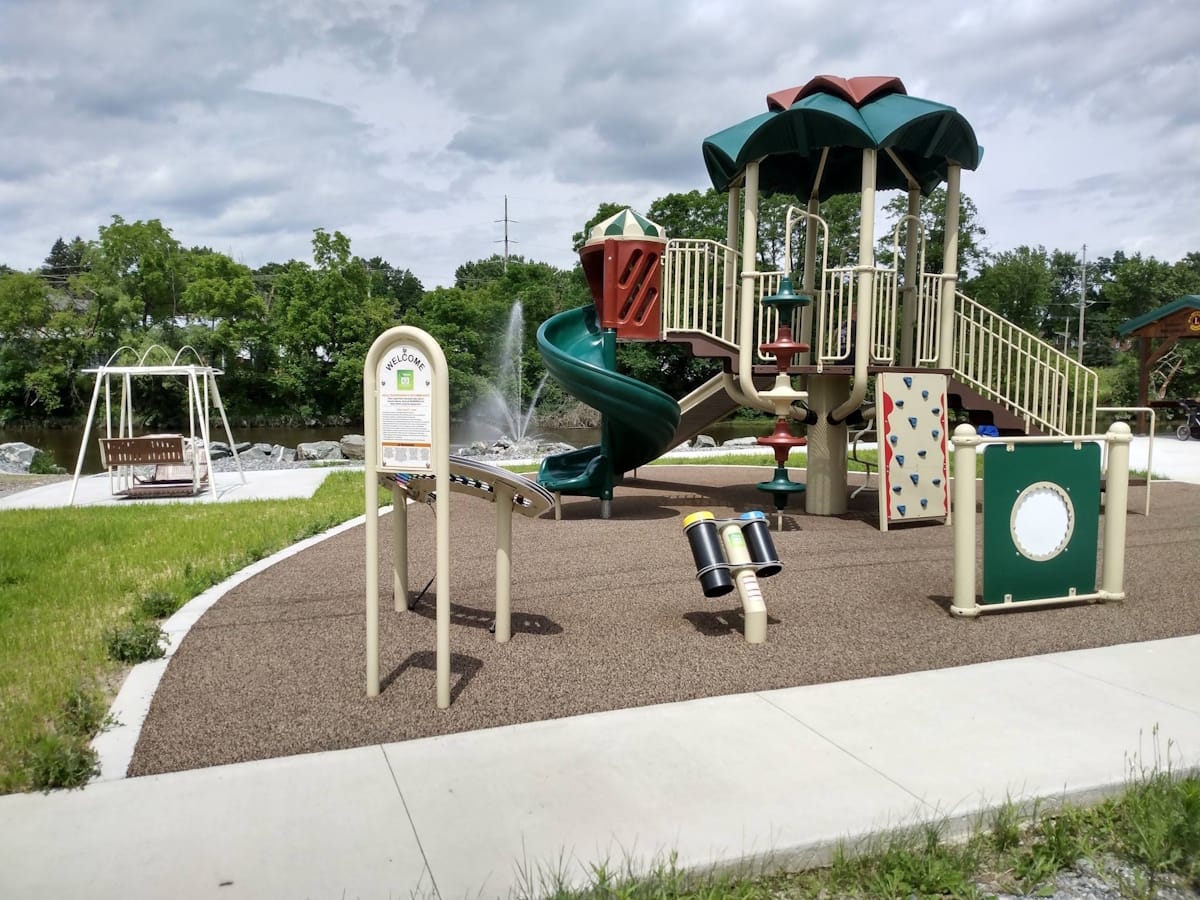
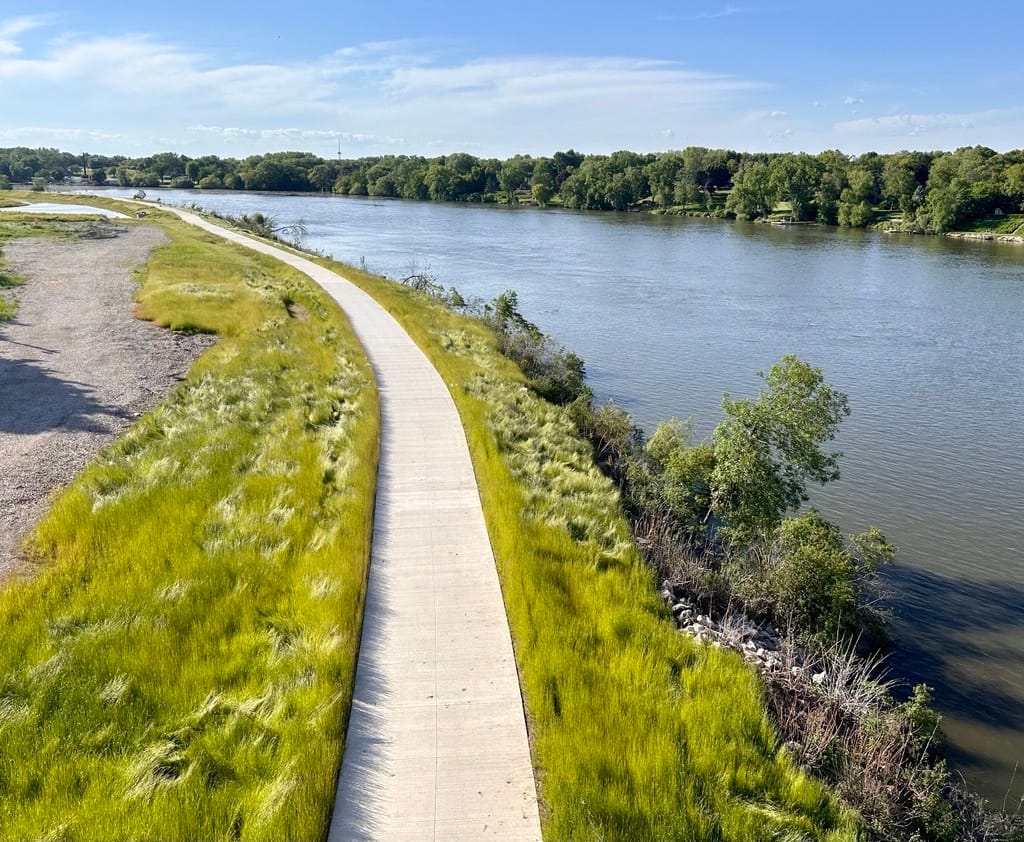
Over its lifetime, the Knowles-Nelson Stewardship Program helped protect approximately 750,000 acres of land and water across the state. Local governments and non-profits were awarded grants to build and maintain parks, playgrounds, bike paths, boat launches, and ATV/snowmobile trails.


After 37 years of bipartisan support, the Knowles-Nelson Stewardship Program officially expired on June 30.
The highly popular conservation program was created by Governor Tommy Thompson and the Wisconsin Legislature in 1989. Named after former Governors Warren Knowles and Gaylord Nelson, it provided funding to preserve valuable natural areas and wildlife habitat, protect water quality and fisheries, and expand opportunities for outdoor recreation.
“The value of this program cannot be overstated,” said State Senator Kristin Dassler-Alfheim (D-Appleton). “It has impacted every single community in Wisconsin, and there are projects in every single county in the state. Fiscally, it’s estimated to have over a $2 billion impact annually, not to mention the benefits we all receive from having beautiful, well-maintained parks, trails, and more to enjoy.”
Evers included re-authorization of the program in his 2025-27 budget proposal at $100 million per year for 10 years. It was previously funded at $33 million per year and, at its peak, at $86 million annually. Evers’ proposal was stripped entirely from the budget by Republicans on the Joint Finance Committee.
Amendments offered by Democrats were voted down on party-line votes. Ultimately, it was not included in the state budget.
The Knowles-Nelson Stewardship projects impacted all parts of the state
Over its lifetime, the Knowles-Nelson Stewardship Program helped protect approximately 750,000 acres of land and water across the state. Local governments and non-profits were awarded grants to build and maintain parks, playgrounds, bike paths, boat launches, and ATV/snowmobile trails. The conservation initiatives benefited a wide variety of sports enthusiasts, including hunters, anglers, bikers, and boaters.
More than 80 projects have been funded in Outagamie County alone, including upgrades to Sunset Park in Kimberly, improvements to Lutz Park in Appleton, and land additions to the Shiocton Rifle Range. Popular projects in the Fox Cities include Loop the Locks, a 13-mile loop connecting Appleton, Combined Locks, Kaukauna, Kimberly, and Little Chute, and Loop the Little Lake, a 3.5-mile trestle trail network linking Neenah, Menasha, and Fox Crossing.
Representative Lee Snoddgrass (D-Appleton) noted that her own legislative district, which covers a good portion of Appleton, benefited directly from eleven projects amounting to more than $1.6 million.
“These projects provide trail connectivity, shoreline maintenance, and boat and fishing pier improvements for all to enjoy-- regardless of politics,” she said. “Everyone agrees that this fund must continue, and I look forward to ensuring we make an ongoing state investment in our shared natural spaces through stewardship grants next session.”
A familiar story: negotiations collapse
Republicans expressed concern that the program takes private lands off the tax rolls, particularly in northern Wisconsin, arguing that it disproportionately hurts struggling rural cities and towns by starving local governments of the revenue needed to fund essential services.
The Department of Natural Resources, however, is required to help cover any loss of such revenue via Payments in Lieu of Taxes.
Their opposition increased after the Wisconsin Supreme Court ruled that the Republican-controlled Joint Finance Committee was unconstitutionally exercising its power by allowing members to anonymously hold up proposed land acquisitions through Knowles-Nelson.
Rep. Shae Sortwell (R-Two Rivers) blamed the Supreme Court for the program’s demise and accused Democrats of making it a political issue.
“Legislative Republicans fought desperately to salvage what we could from the destructive actions, but the liberal majority of the Supreme Court killed it,” he said. “Legislative democrats fought us every step of the way.”
But the Supreme Court voted 6-1, with two of the three conservative Justices joining the four liberal Justices in deeming the JFC’s actions an intrusion upon the executive branch's core power to execute and administer laws.
Alicia Saunders, who is running against Sortwell in Assembly District 2, scoffed at his comments.
“The program didn't expire because of the Wisconsin Supreme Court, and it didn't expire because of Democrats,” she insisted. “The Court's ruling didn't eliminate funding. It ended a process that allowed a single legislator to indefinitely block conservation projects without a public vote.”
She went on to say that the Legislature had every opportunity to save the program, but Republicans nixed it.
“Instead, the majority removed Stewardship funding from the budget, rejected a one-year extension that would have kept the program operating while negotiations continued, and ultimately pulled its own replacement bill because it couldn't reach agreement,” she said.
In August, Democrats introduced SB 436, which reauthorized the program for six years at $72 million per year. The bill would have created a Knowles-Nelson Stewardship Board to meet at least quarterly to oversee the program. Republicans refused to give it a public hearing.
During the final regular floor period of the 2025-26 session, Senate Democrats offered an amendment to reauthorize the program for one year with no changes. The amendment again failed to pass on a party-line vote.
There is bipartisan support
Even if a bill to restart the program is introduced at the start of the next session, it could be close to a year before the program is back on track. In the meantime, there is already a growing backlog of maintenance for the state’s outdoor recreation facilities. Additionally, land acquisition projects will be significantly delayed since they require long-term planning.
Two area Republican candidates – Reive Pullen, who is running in AD 52, and Anthony Phillips, who is running in AD 56 – pledged support for finding a way to continue the program, citing its many benefits.
Independent candidate Mark Becker, running for Senate District 1, called Knowles-Nelson vital to our state’s conservation efforts and supports its reinstatement.
“The expiration of this popular, powerful program, however, is a terrific metaphor for how legislative inaction hurts real people and is all the evidence to know that we are in desperate need of a change in representation,” said Becker. “We cannot keep sending the same type of politicians to Madison and expect any different results. When I’m elected to the Wisconsin State Senate, I will work tirelessly to revive the Knowles-Nelson Stewardship Program and ensure that it remains secure for generations to come.”
Dassler-Alfheim expressed hope that, with the right people in the legislature, Knowles-Nelson is not dead.
“The good news is the bones of the program are still in state statute, and I look forward to working with leadership next session to renew it so that our communities are able to appreciate Wisconsin’s stunning natural resources for generations to come,” she said.


Despite end to Knowles-Nelson, legislators hope that next session deal can be struck © 2026 by Carol Lenz is licensed under CC BY-NC-ND 4.0


